Home Window Repair: Fix Common Issues
By Henry
January 9, 2026
5 min read
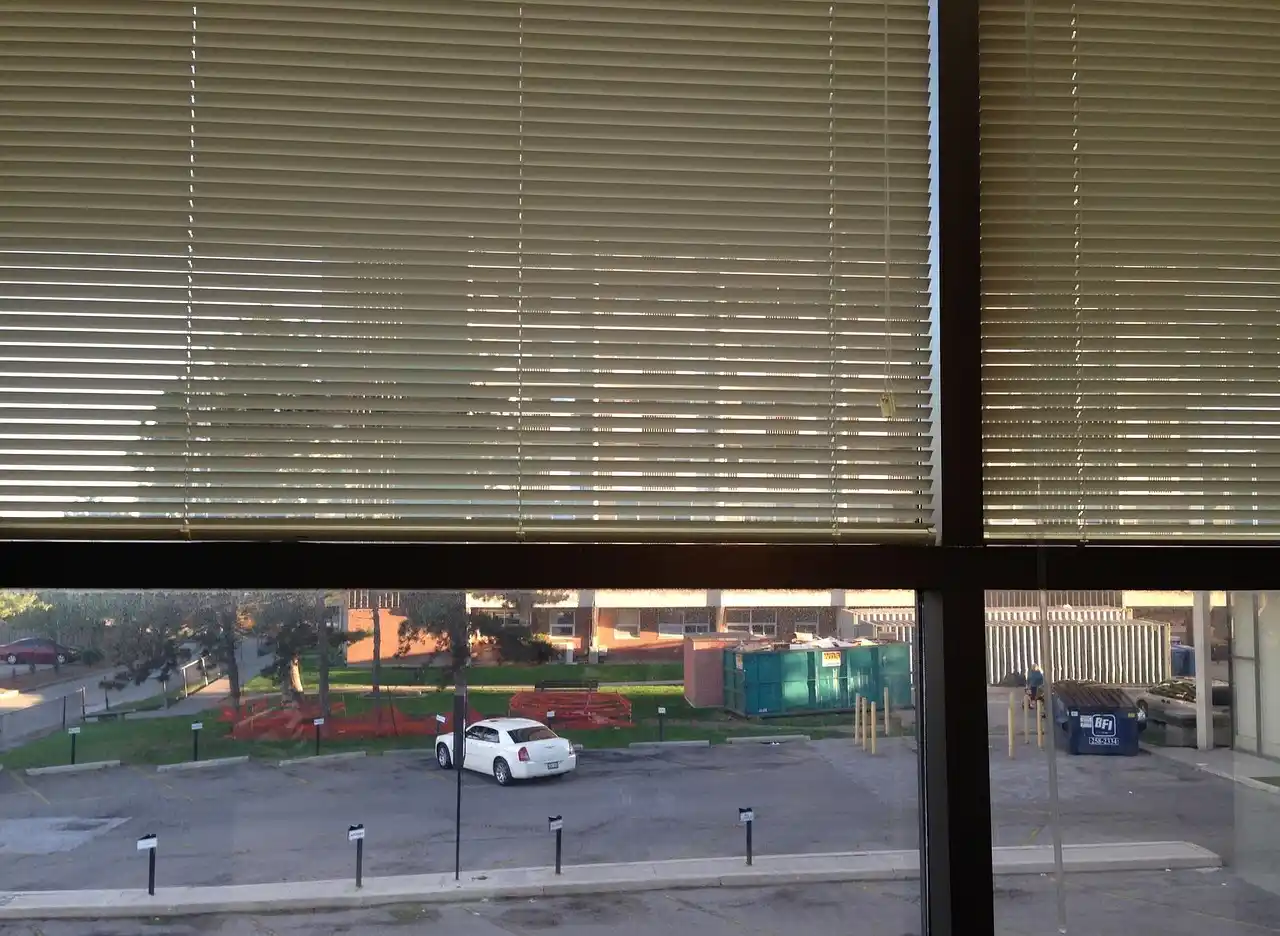
Home window repair is a practical, cost-effective way to extend the life of your windows, boost energy efficiency, and maintain curb appeal. This guide helps homeowners assess common problems, decide between DIY fixes and professional service, and understand costs and best practices to stay safe and compliant.
Common problems and signs that repair is needed
Windows can fail for many reasons. Recognize these typical symptoms to determine whether repair is viable or if replacement may be necessary:
- Condensation or fogging between panes signals failed seals and reduced insulation in double-pane units.
- Cracked, chipped, or shattered glass requires replacement and should be handled with care to prevent injury.
- Rotting, soft, or cracked wooden frames undermine stability and air-tightness.
- Sashes that stick, don’t stay shut, or are difficult to operate point to hardware or alignment issues.
- Worn or damaged weatherstripping causes drafts and energy loss.
DIY vs professional repair
DIY repairs are best for simple tasks such as weatherstripping, replacing worn hardware, or resealing small gaps. However, more complex issues—especially those involving glass handling, structural frame repair, or reglazing—pose safety risks and may require a licensed professional. When deciding, consider:
- Safety: Glass handling and heavy sash removal can be hazardous without proper tools and PPE (gloves, eye protection, and sturdy ladders).
- Structural integrity: Rot or significant frame damage may require professional assessment and carpentry.
- Seal integrity: Poor reglazing or improper seal installation can worsen energy losses and void warranties.
Always shut off any adjacent electrical sources near operable windows before starting work, and dispose of broken glass safely. If you’re unsure, contact a licensed contractor with window experience to protect your home and warranty.
Materials and methods for common repairs
Depending on the issue, repair options include:
- Weatherstripping replacement to restore airtight seals and reduce drafts.
- Glazing putty and silicone sealant to repair minor gaps around panes.
- Hardware replacement for operators, balances, and hinges to restore smooth operation.
- reglazing or glass pane replacement for cracks or condensation between panes when feasible.
- Frame stabilization or minor wood repair for rot (may require professional carpentry).
Note: Some windows, especially those with multiple panes or tempered glass, require professional handling to avoid injury or damage.
Cost considerations and when repair makes sense
Costs vary by window type, size, and location, but general ranges can help you plan:
- Glass replacement per pane: roughly $120–$600, depending on size and glass type.
- Sash repair or hardware replacement: typically $100–$350 per sash.
- Frame repair (wood rot, structural work): often $300–$800 or more per window.
- Full unit replacement (new window): $800–$2,400+ per window, including installation.
Repair is usually cost-effective for minor issues, preserves the original design, and minimizes disruption. Replacement is often warranted for extensive frame rot, repeated seal failures, or significantly outdated windows that impede energy efficiency.
Energy efficiency and long-term value
Repairing damaged sealing, replacing worn weatherstripping, and ensuring proper sash alignment can maintain or restore energy efficiency without the cost of a full replacement. When a window is beyond repair, upgrading to energy-efficient models with low-E coatings, double or triple glazing, and better frames can yield long-term savings on heating and cooling bills.
How to hire a professional for home window repair
If you choose to hire a pro, follow these steps to protect your investment and EEAT goals:
- Verify licensing, insurance, and local certifications relevant to window work.
- Ask for at least three detailed, written quotes and compare scope, materials, and warranties.
- Request references and check online reviews or previous project photos.
- Clarify warranty terms for labor and parts, and ensure work complies with local building codes.
- Get a written plan for removal, disposal of old glass, and site protection during work.
Ask potential contractors about energy performance, especially if energy savings are a priority for your project. A reputable pro should provide a transparent process, clear timing, and a warranty-backed solution.
Maintenance tips to extend window life
Regular maintenance can prevent many common problems. Consider these practices:
- Annual inspections for seals and glazing around the perimeter of the pane.
- Seasonal cleaning and lubrication of moving parts and hinges.
- Prompt weatherstripping replacement to maintain air tightness.
- Careful painting and staining of wood frames to prevent moisture damage.
- Address moisture sources (leaks, poor drainage) to minimize frame rot.
Comparison: Repair vs Replacement
| Aspect | Repair | Replacement |
|---|---|---|
| Typical cost range per window | $100–$800 (depends on issue) | $800–$2,400+ (unit and installation) |
| Durability and longevity | Extends life of existing window when issues are minor | Often longer-term solution if window is outdated or severely damaged |
| Energy efficiency impact | Preserves insulation if seals and hardware are in good condition | Typically improves energy performance with newer models and coatings |
| Disruption and downtime | Lower disruption; quicker fixes | Longer installation process and potential for higher disruptive impact |
| When to choose | Minor gaps, degraded hardware, or seal issues | Extensive rot, repeated failures, or aging units |
Summary
Conclusion, a careful evaluation of window damage, safety considerations, and cost will guide you toward the best course of action. Use DIY for simple fixes when safe, and hire a licensed professional for complex reglazing, frame repair, or large glass work. Regular maintenance and timely replacements when needed will protect your home’s comfort, value, and energy efficiency.