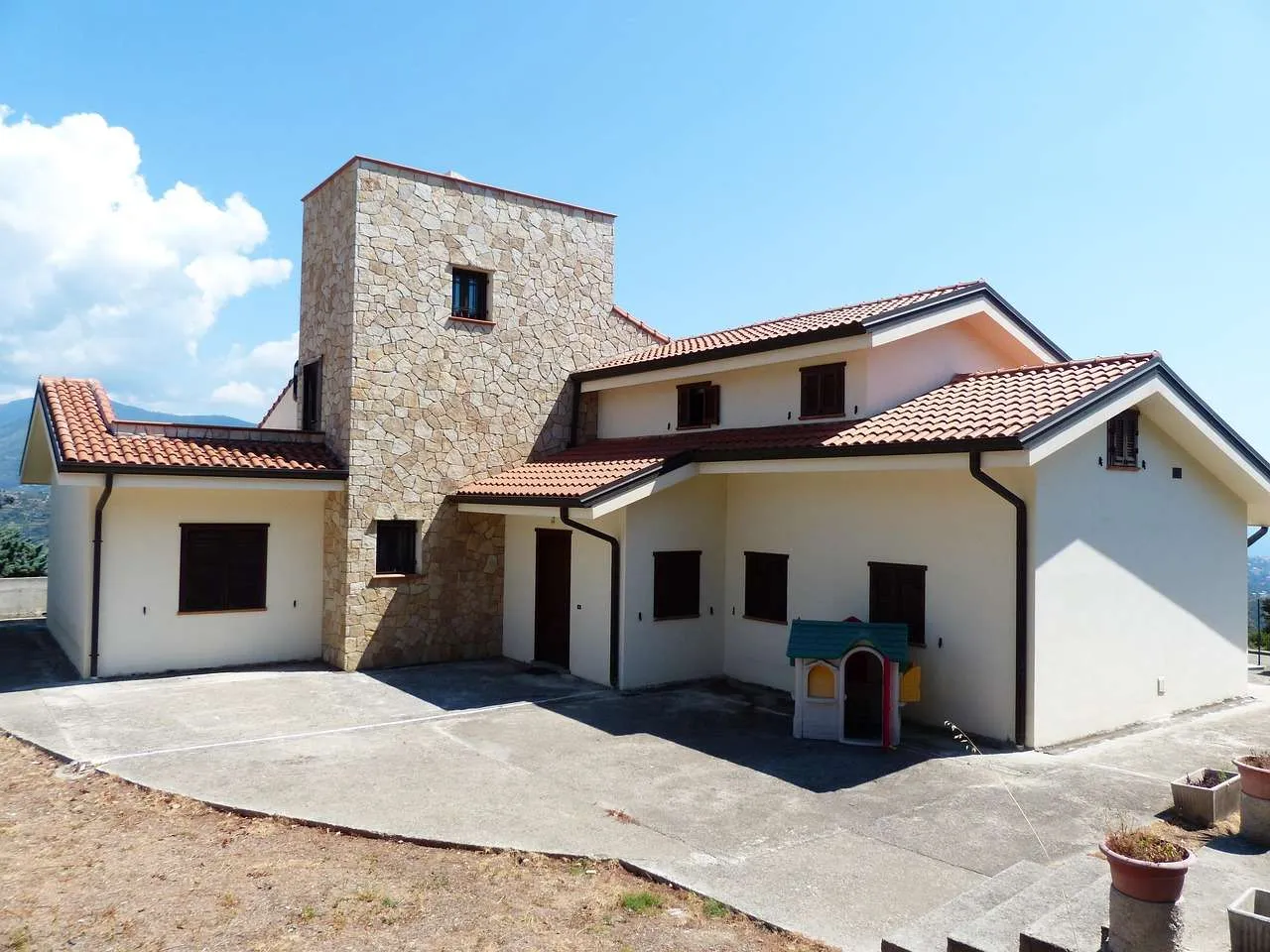
Repair of Roofing: Expert Guide
By Isabella
January 9, 2026
4 min read
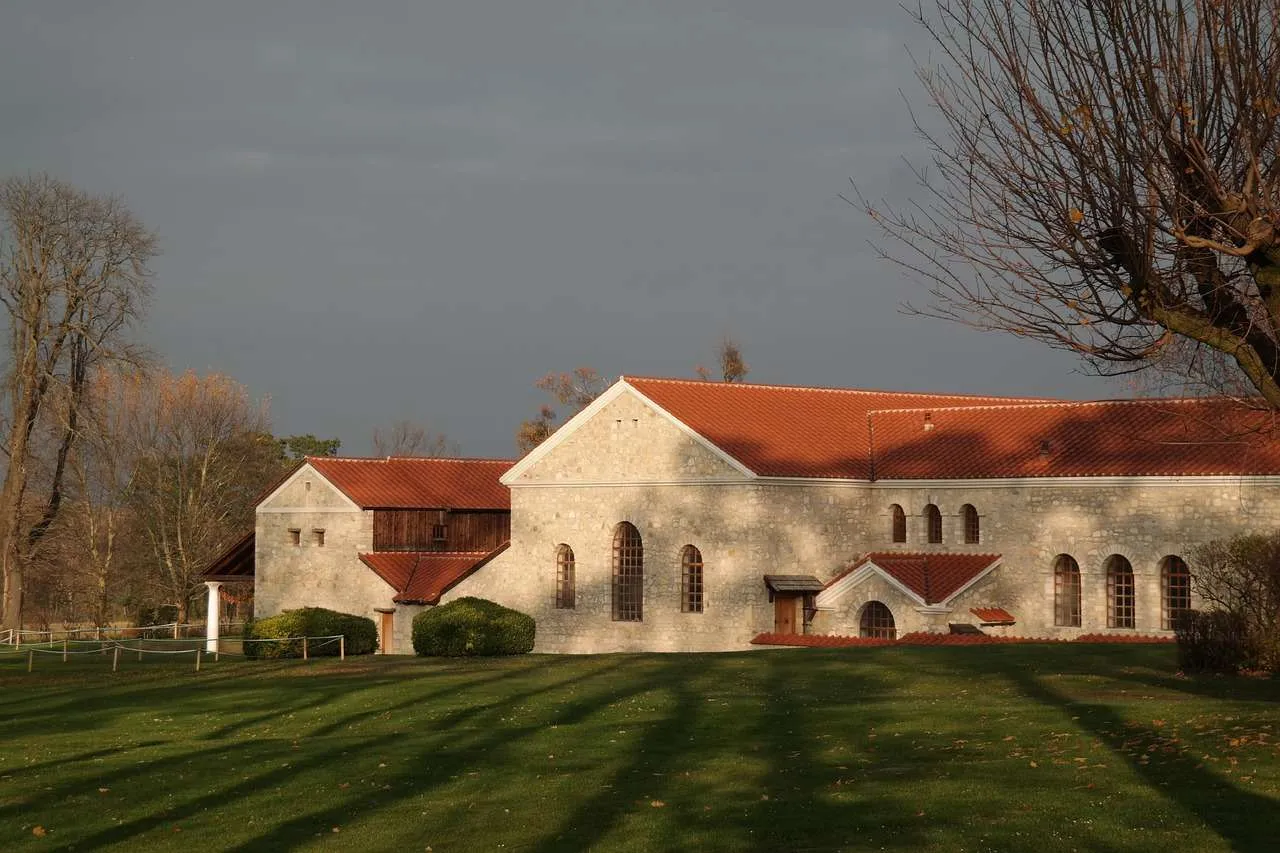
Repairing a roof at the right time protects your home from water damage and saves money over the long term. This article provides an authoritative overview of the repair of roofing, including how to identify problems, common repair methods, cost considerations, how to select a qualified contractor, and maintenance strategies. Written with industry best practices, it aims to help homeowners make informed decisions while ensuring safety and quality.
Understanding When to Repair vs Replace
Knowing whether to repair or replace a roof depends on damage type, extent, and the roof’s remaining life. Minor leaks, isolated damaged shingles, or flashing failures can often be repaired, while widespread damage, extensive shingle loss, or compromised decking may warrant replacement. Consider the age of the roof, the cause of damage, and the cost comparison between repair and reroofing. A professional assessment provides an objective estimate of remaining service life and the most economical option.
- Visible leaks around chimneys, vents, or joints
- Missing or curling shingles and granule loss
- Damaged flashing or vent boots
- Water stains on ceilings or walls after rain
- Sagging roof sections or abnormal sounds in wind
Common Roof Repairs
Patching and Shingle Replacement
Patching involves replacing damaged or missing shingles and resealing edges to stop water intrusion. It is typically the most cost-effective repair for localized damage and can extend the roof life when performed promptly.
Flashing and Vent Boot Repairs
Flashing around chimneys, skylights, and roof penetrations prevents leaks where roof planes meet vertical structures. Damaged or corroded flashing should be replaced and sealed with compatible, weather-resistant materials to prevent leaks.
Underlayment and Deck Repairs
In cases of persistent leaks or wind-driven damage, the underlayment or even portions of the decking may need replacement. This repair ensures a solid, waterproof foundation for new shingles or other coverings.
DIY vs Professional: What You Should Do
Small, nonhazardous repairs on a dry day may be tackled by a knowledgeable homeowner, but most roofing work should be performed by a licensed contractor. Roof work carries fall risks and can expose a home to further damage if done incorrectly. Professionals bring experience, proper safety gear, and warranties that protect your investment. If you are unsure about the extent of damage or required permits, contact a pro for an inspection.
How to Choose a Roof Repair Contractor
- Verify licensing and insurance, including worker’s compensation and liability coverage.
- Request references and review recent project photos or case studies.
- Get written estimates with scope of work, materials, timeline, and warranty terms.
- Check manufacturer certifications and warranty eligibility for materials.
- Insist on a written contract and a clear payment schedule.
Repair Process: From Inspection to Completion
- Initial inspection to identify leaks, damage, and potential hidden issues.
- Assessment and scope of repair, including material specifications and required permits.
- Temporary weatherproofing if weather conditions delay full repair.
- Execution of repairs, such as patching, flashing replacement, or underlayment work.
- Final inspection, water test if needed, and warranty documentation.
Cost Considerations and Maintenance
Costs vary by roof size, material, accessibility, and local labor rates. Typical ranges help homeowners plan:
| Repair Type | Typical Cost Range (USD) | When It Is Used |
|---|---|---|
| Patching and shingle replacement | $150 to $1,000 per section | Localized damage to individual shingles |
| Flashing repair or replacement | $300 to $700 | Leaks at joints, chimneys, vents |
| Vent boot replacement | $100 to $300 per boot | Worn or cracked boot seals |
| Underlayment repair | $0.50 to $1.50 per sq ft plus labor | Water intrusion behind shingles |
| Deck repair or reinforcement | $1,000 to $3,000 | Structural damage to roof base |
Maintenance costs are typically lower than full replacements and include routine inspections, gutter clearing, and sealant resealing. Regular maintenance, such as cleaning debris, removing moss, and addressing small leaks promptly, extends roof life and protects interior spaces.
Maintenance Tips to Extend Roof Life
- Inspect after severe weather and at least twice a year for loose or damaged shingles.
- Keep gutters and downspouts clear to prevent water backup and fascia damage.
- Trim overhanging branches to reduce physical damage and debris buildup.
- Address ice dams promptly with proper insulation and ventilation.
- Use quality sealants and compatible materials for any repairs to maintain warranty eligibility.
Safety, Warranties, and Documentation
Always prioritize safety when dealing with roofing repairs. Use fall protection, secure ladders, and avoid working on wet or windy days. A reputable contractor should provide written warranties covering workmanship and materials. Keep copies of permits, inspection reports, receipts, and after-repair maintenance instructions for future reference and resale value.
Conclusion, this guide has covered signs of damage, repair options, contractor selection, cost expectations, and best maintenance practices. By acting promptly and choosing qualified professionals, you can ensure a durable roof that protects your home and your investment for years to come.