Small Bathroom Ideas: Smart, Space-Saving Solutions
By Sophia
January 9, 2026
3 min read
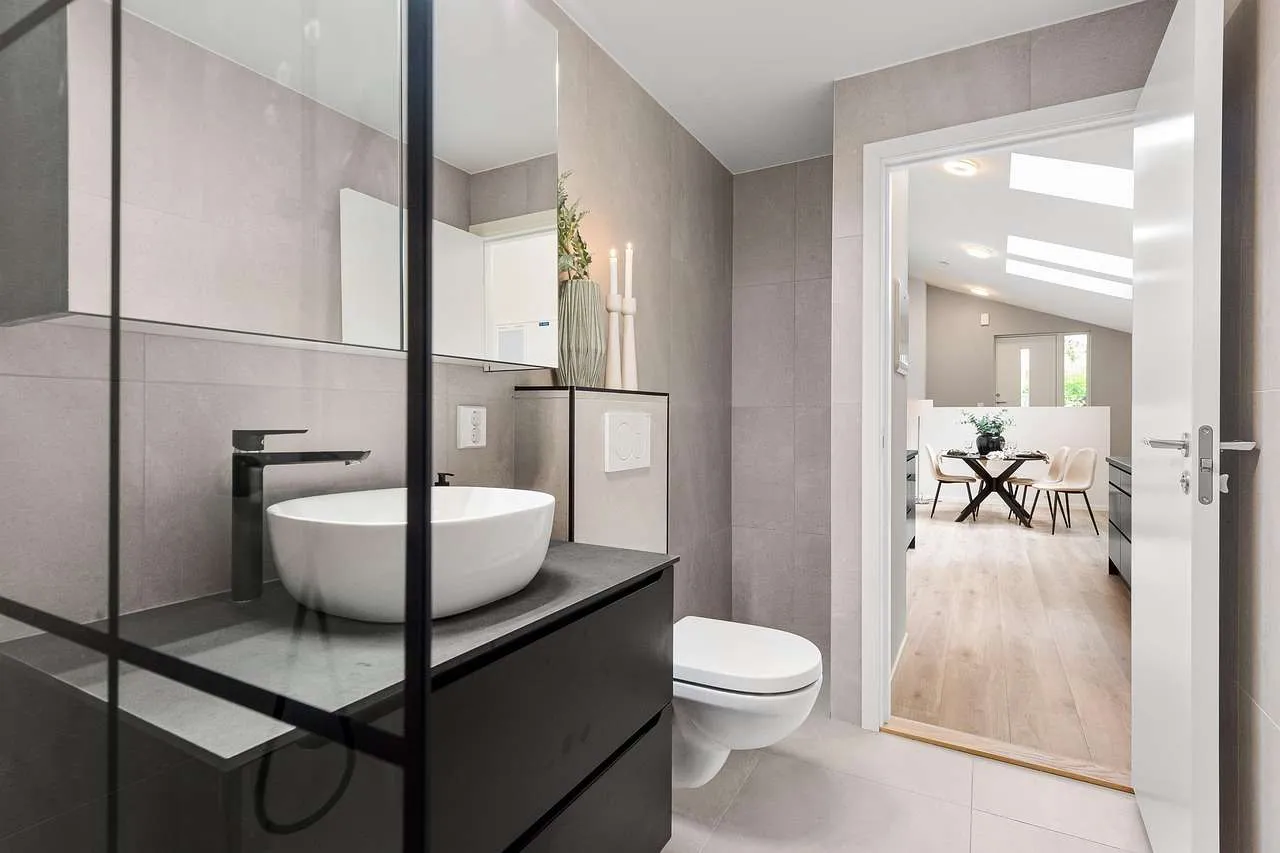
With footprints under 50 square feet, small bathrooms demand smart design. As a designer with more than a decade of experience improving homes, I have learned that small ideas can deliver big gains in function and feel. This guide shares proven approaches to maximize space without sacrificing style.
Why small spaces demand smart design
In a bathroom that is compact, every inch counts. Efficient planning can make the room feel larger than its plan. Focus on layout first, then pick fixtures that fit precisely. The right choices will improve daily use and home value.
Smart layouts and zones
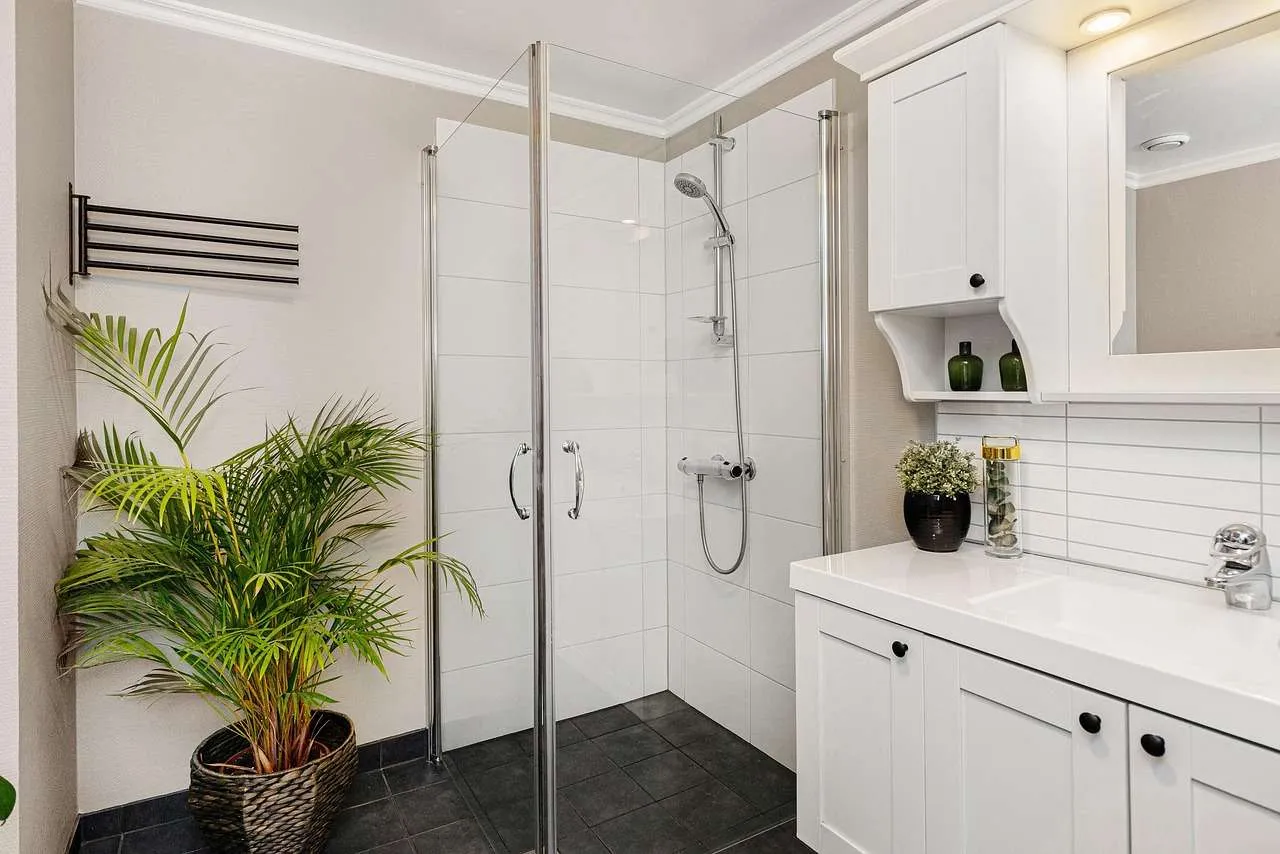
Begin with a layout that guides movement and creates a dedicated wet zone. A corner shower or a shower stall can free vanity space. Consider a pocket door or sliding option to reclaim width and reduce swing clearance.
Fixtures and finishes
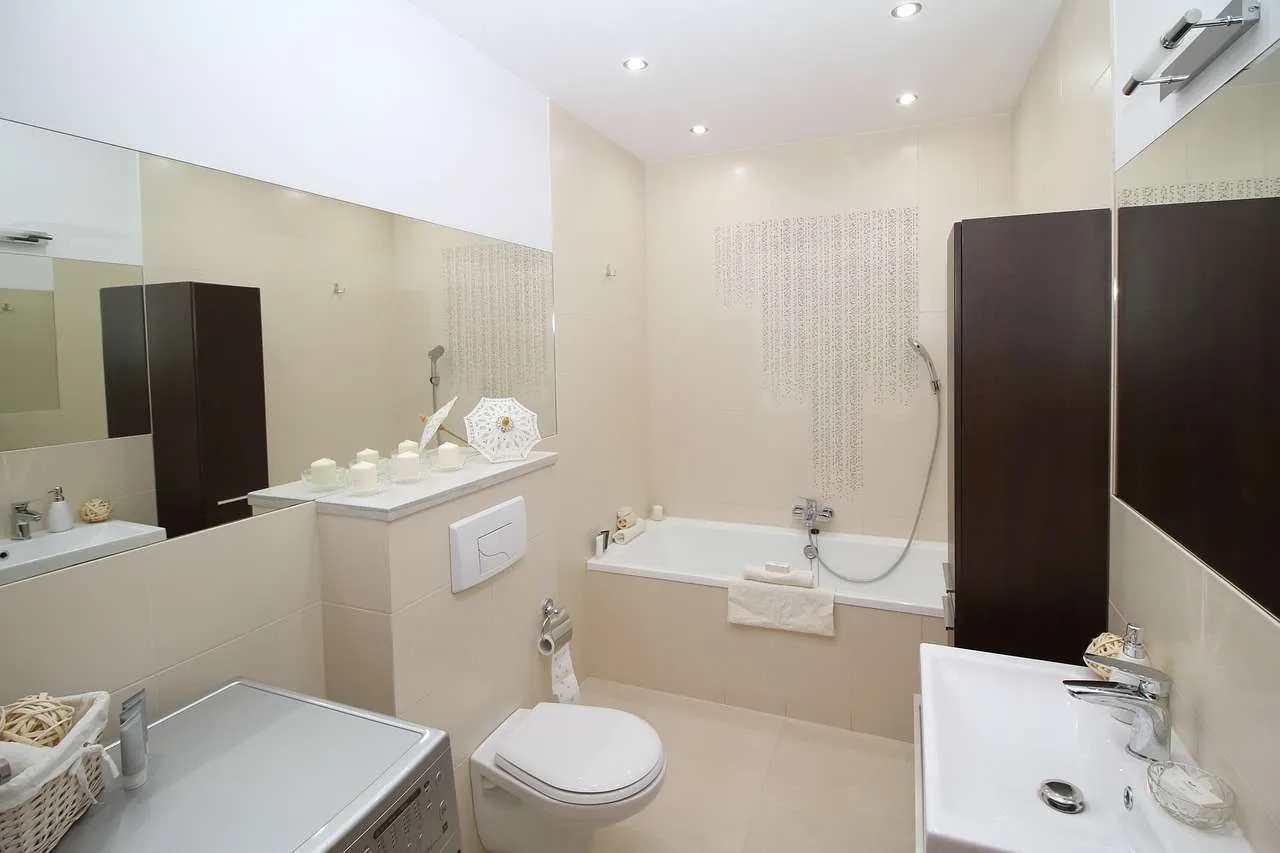
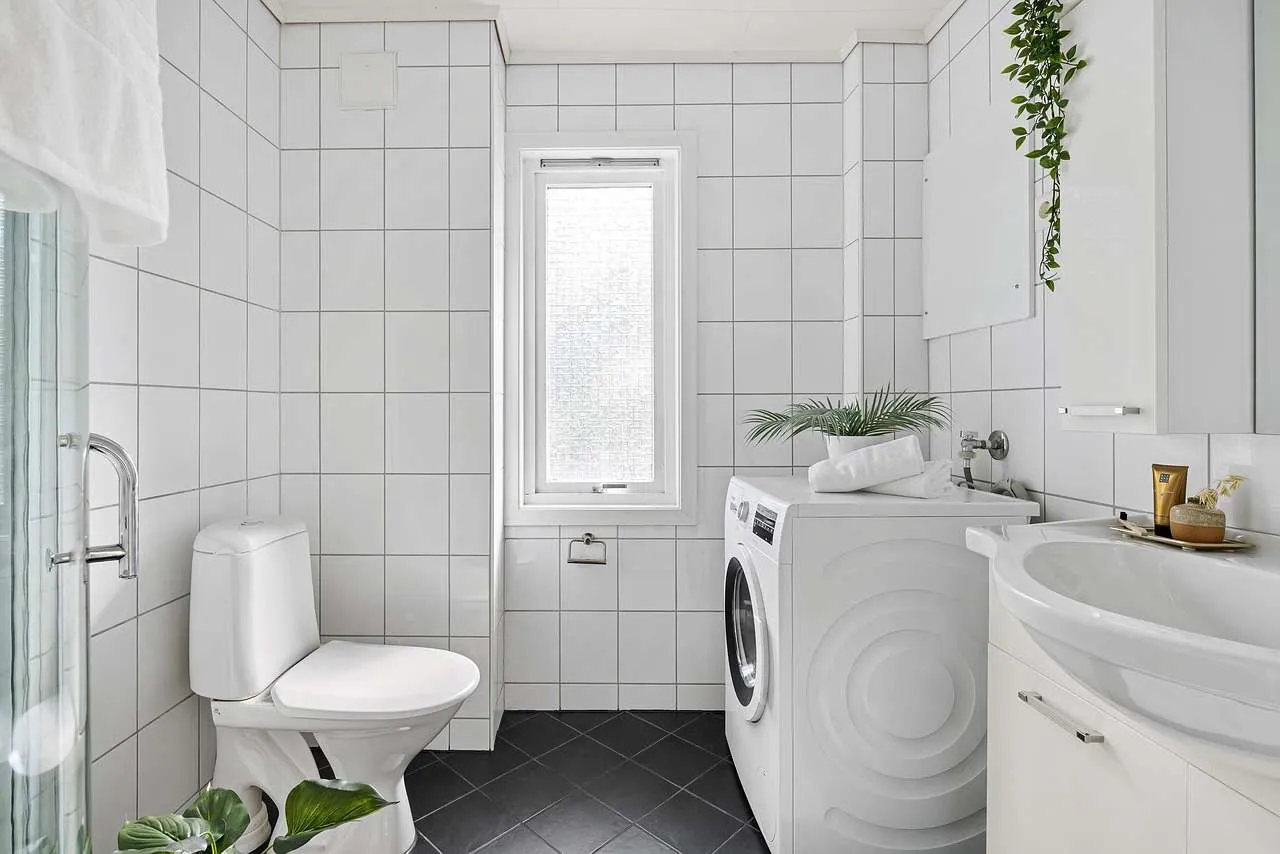
Compact fixtures matter. Choose a wall hung toilet, a small vanity with integrated storage, and a glass shower enclosure. A frameless glass door reflects more light and makes the room feel airy.
Storage hacks
- Install corner shelves in the shower and recessed niches in the shower surround.
- Choose tall, slim cabinetry that reaches the ceiling and use pull-out organizers inside the vanity.
- Use medicine cabinets with mirrored fronts to combine storage and reflection.
Lighting and mirrors
Layer lighting to create depth: a ceiling light for general use, task lighting at the vanity, and a soft glow as ambient lighting. A large mirror or two mirrors can reflect light and visually expand the space.
Budget-friendly ideas
Remodeling can be expensive, so start with cosmetic upgrades. Fresh paint, updated hardware, and energy efficient LED lighting can transform a space at low cost. If plumbing changes are needed, opt for pre-fabricated shower kits and slimline vanities to reduce labor. Choose durable materials such as porcelain tile and moisture resistant backer boards to protect the investment.
Materials and finishes to consider
Porcelain, ceramic tile, glass, and acrylics perform well in small baths. Light colors expand the feel of space; glossy or satin finishes reflect light. A well chosen grout, such as epoxy in moisture-prone areas, reduces maintenance. Keep a cohesive color palette to unify the space.
Safety, accessibility and EEAT signals
Non slip floors, grab bars, and a zero threshold shower improve safety and accessibility. When designing for clients, present the process, provide budgets and timelines, and share material samples. Clear communication builds trust and aligns with EEAT principles such as experience, expertise, authority, and trust.
Comparison: quick strategy summary
| Strategy | Pros | Cons | Best For |
| Pocket doors | Saves floor space, clean lines | Higher install cost, maintenance | Very narrow baths |
| Floating vanity | Creates air under unit, looks lighter | Limited storage | Open feel bathrooms |
| Large mirrors | Amplifies light and depth | Requires cleaning | Dark rooms |
| Walk in shower with glass | Feels bigger, accessible | Shower wet-dry boundary requires planning | Shower-focused spaces |
Implementation checklist
Measure carefully, set a budget, and draft a schematic layout before shopping. Request material samples, confirm waterproofing details, and verify delivery timelines. A clear plan reduces revisions and adds long term home value.
Conclusion, thoughtful small bathroom ideas combine layout, storage, lighting, and durable finishes to create a space that feels larger, more functional, and restful every day.