Bathroom Tiles: Styles, Costs & Care
By Jacob
January 9, 2026
5 min read
Bathroom tiles do more than cover walls and floors. They define style, set the mood, and protect surfaces from moisture. With the right tile choice, you gain long-lasting performance, easier cleaning, and a design that stays fresh for years. This article explains the main tile types, design considerations, installation basics, costs, and maintenance tips to help homeowners and designers make informed decisions. Grounded in solid material knowledge, practical installation guidance, and trusted saving strategies, the content follows EEAT principles to deliver expert, authoritative, and trustworthy guidance.
Types of bathroom tiles
Choosing the right material is the foundation of a durable, attractive bathroom. The most common options include ceramic and porcelain, natural stone, and glass or mosaic tiles. Each has distinct advantages, installation needs, and price ranges.
Ceramic and Porcelain Tiles
Ceramic and porcelain tiles are versatile, durable, and widely available. Porcelain tiles are denser and less porous, which makes them more water resistant and suitable for wet areas. Ceramic tiles are typically more affordable and come in a wider range of designs. Both types are easy to clean and maintain, though porcelain generally wears better in high-traffic bathrooms or showers.
Natural Stone Tiles
Natural stone such as marble, granite, or travertine offers unique veining and a premium look. Stone adds character but requires sealing and regular maintenance to prevent staining and moisture absorption. It’s important to consider slip resistance and sealing intervals, especially in shower floors.
Glass and Mosaic Tiles
Glass tiles reflect light, brighten small spaces, and create a contemporary feel. Mosaic tiles (often ceramic, glass, or natural stone) are ideal for backsplashes, shower niches, and accent areas. They can require more intricate installation and grouting, but their color variety and reflective properties are appealing in modern bathrooms.
Design considerations
Beyond material, the design of bathroom tiles influences perceived space, safety, and maintenance. Key decisions include tile size, layout patterns, color schemes, and finishes that match the room’s lighting and ventilation.
Size, layout, and pattern
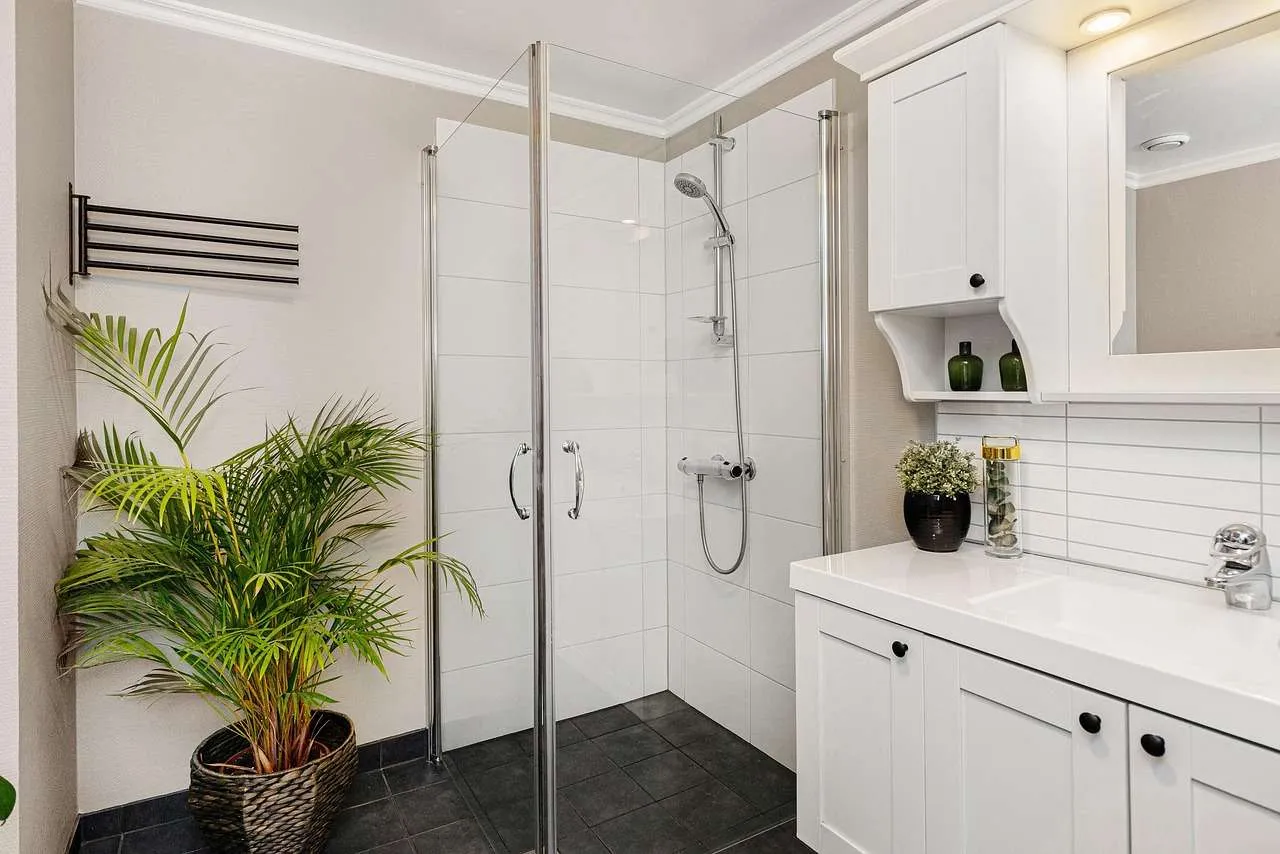
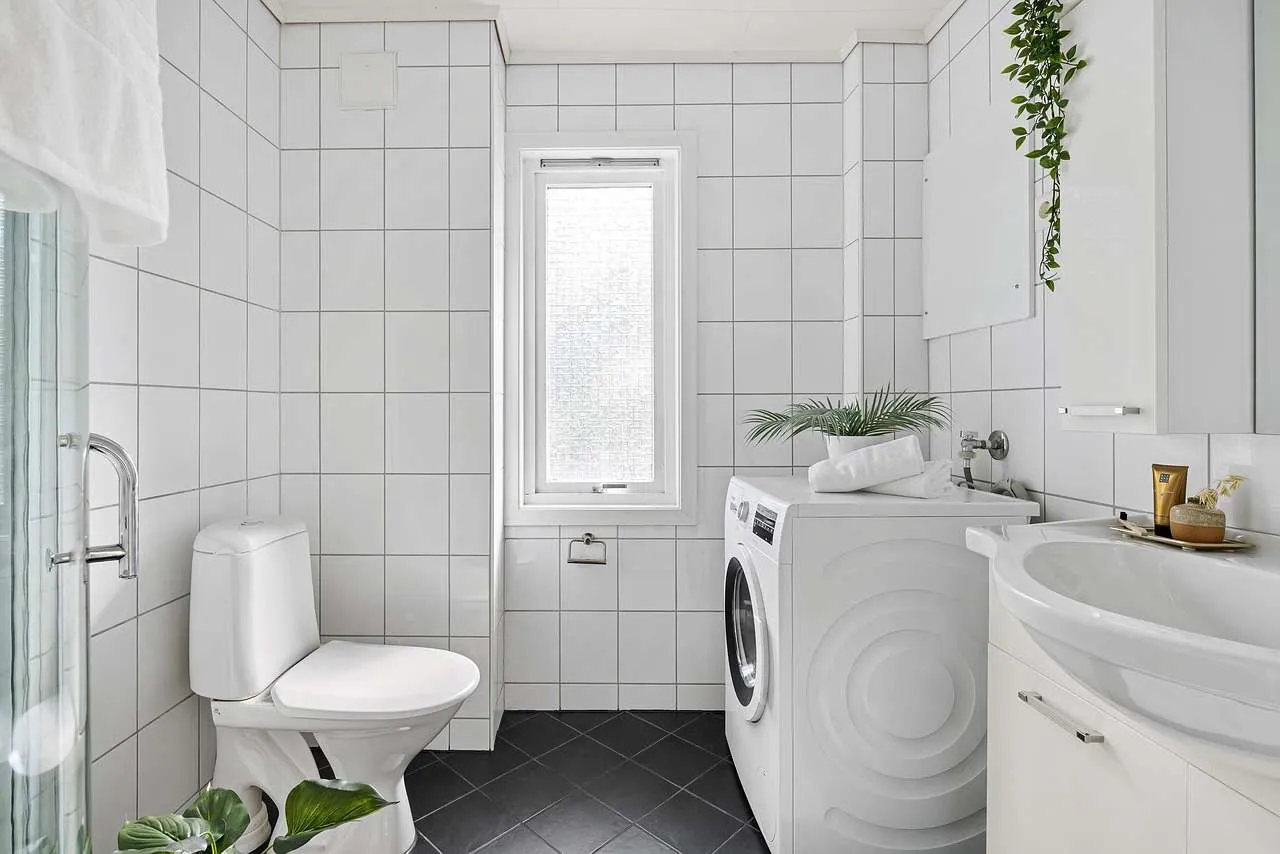
Tile size affects the feel of a space. Large-format tiles can create a seamless look with fewer grout lines, which is popular in contemporary designs and can simplify cleaning. Small-format tiles offer more grout lines, which can enhance grip in wet areas and support complex patterns like diagonal layouts or herringbone. Linear and checkerboard patterns are classic options, while bold mosaics make a statement in showers or backsplashes.
Color and finish
Light colors tend to visually enlarge a bathroom, while darker tones add drama. Matte finishes reduce glare and show fewer water spots, whereas glossy finishes highlight shine but may require more frequent cleaning. Consider a coordinated grout color—matching grout blends with the tile for a cohesive look or contrasting grout to emphasize geometry.
Durability, maintenance, and installation basics
Durability depends on tile type, glaze, and installation quality. Proper maintenance ensures a long service life and keeps surfaces looking new. It’s also important to know when to hire a professional installer to guarantee a watertight finish.
Durability and slip resistance
Porcelain and ceramic tiles offer solid durability for floors and walls. For floors, select a slip-resistant rating appropriate for wet areas (look for textured surfaces or rated R11 or higher in some markets). Shower floors, transitions, and entryways benefit from textured or mosaic tiles that provide grip even when wet.
Maintenance tips
Keeping tiles clean with pH-balanced cleaners prevents damage to grout and glaze. Seal natural stone to minimize staining, and reseal as recommended by the manufacturer. Regular grout cleaning reduces mold and mildew risk. For glass or high-gloss tiles, wipe down with a squeegee or microfiber cloth to reduce water spots.
DIY vs. professional installation
Simple wall tiling projects can be DIY-friendly, but showers, wet rooms, and floor installations benefit from professional installation. Experts ensure proper substrate preparation, waterproofing, tile layout, leveling, and proper grout selection, reducing long-term maintenance issues and leak risks.
Cost and budgeting
Tile costs vary by material, size, market, and installation complexity. A typical range per square meter includes ceramic ($20–$60), porcelain ($40–$100), natural stone ($60–$150+), and glass/mosaic tiles ($50–$120+). Labor costs add to the total, especially for intricate patterns, complex shower niches, or custom waterproofing. Budget for additional items such as waterproof membranes, backer boards, grout, sealer, and underlayment to ensure a durable finished surface.
| Tile Type | Pros | Cons | Typical Cost / m² |
|---|---|---|---|
| Ceramic | Affordable, wide designs | Less durable in heavy use | $20–$60 |
| Porcelain | Very durable, water resistant | Can be more expensive; heavier to cut | $40–$100 |
| Natural Stone | Premium look, unique veining | Sealing required, higher maintenance | $60–$150 |
| Glass/Mosaic | Bright, modern, reflective | Grout maintenance, installation skill | $50–$120 |
Choosing the right bathroom tiles
To select tiles that balance style, function, and budget, follow a simple decision framework: (1) assess moisture exposure and traffic, (2) set a color and finish scheme aligned with your design goals, (3) choose a tile size and pattern that complements the room dimensions, and (4) plan maintenance and travel cost for seals and cleaners. When in doubt, consult a licensed installer or interior designer who can advise on substrate preparation, waterproofing, and grout choices that maximize longevity.
Expert guidance and accountability (EEAT)
Trustworthy tile guidance relies on demonstrable expertise. Look for manufacturers’ data sheets, certified installers, and clear warranties. Ask prospects about substrate preparation, waterproofing standards (such as appropriate membranes for showers), and the anticipated life cycle of seals and grout. Client testimonials, portfolio work, and transparent cost breakdowns contribute to trust and credibility in tile projects.
Maintenance routines and care products
Regular cleaning with pH-neutral cleaners, prompt grout cleaning after spills, and periodic sealing of natural stone extend tile life. Use non-abrasive tools to avoid scratching finishes, and address lippage and grout deterioration promptly to maintain a professional appearance and prevent moisture infiltration.
Conclusion and quick-reference guidance
Conclusion, selecting bathroom tiles requires balancing material performance with aesthetics. Ceramic and porcelain offer durability and value, natural stone delivers luxury with higher maintenance, and glass or mosaic tiles create light and focal points. Plan for proper installation, waterproofing, and sealing, and align your choice with room use, budget, and long-term upkeep. By following expert guidance, you secure a tile solution that looks great, performs reliably, and stands the test of time.